_('Yarn')
Journal

Homegrown | SOM Blinds

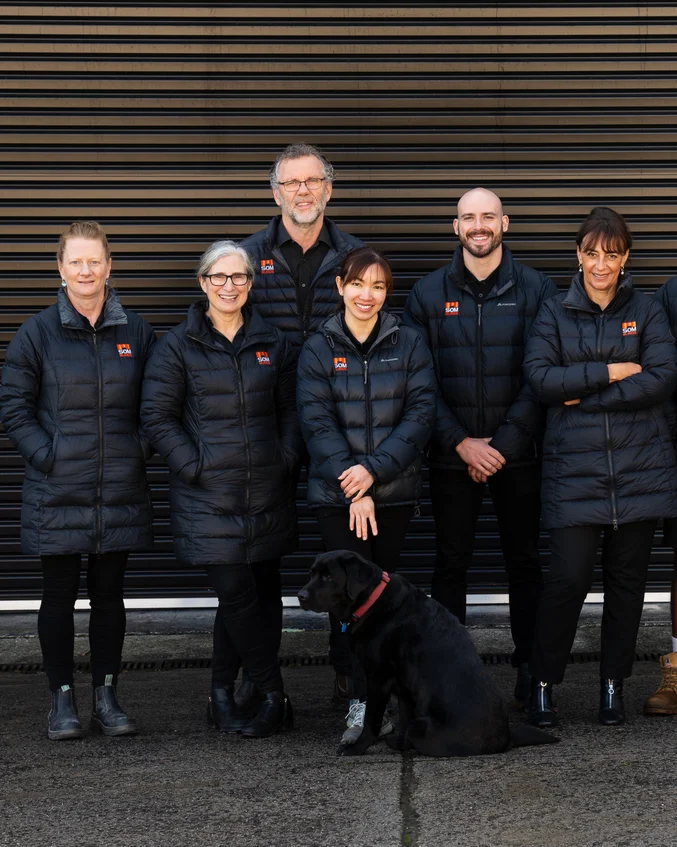
From blinds to plantation shutters, curtains, external venetians, and awnings SOM Blinds has established itself as a specialist in motorised window furnishings over the past 22 years. We spoke to Owner and Founder Bernie Sombekke about his preferred interior projects and textiles, sustainability within the industry, and creating his customer-focused business.


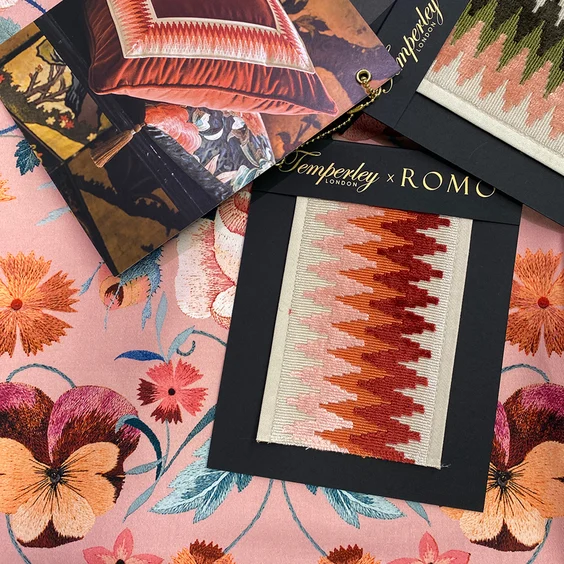
Temperley London X Romo

Temperley London X Romo

What drew you to a career in window furnishings?

I always liked pulling things apart as a kid to see how they work, to be honest I still do, which led me to a career as a boat mechanic. SOM Blinds was born from a chance conversation in 2002 when one of my clients approached me to help him design a motorised blind solution for his home automation business. After a few months of tinkering in his garage, we developed the SOM Motorised Blind system which is the basis of what we use today.

For many years we only manufactured and installed motorised roller blinds, but our range rapidly expanded to include curtains, shutters, honeycombs, external venetians, and awnings. In 2008 we moved from my boat repair workshop to our current showroom and factory in Burwood where we manufacture our roller blinds inhouse.

What excites you about the interiors industry?

At SOM Blinds we have the privilege of working with some of Melbourne’s best architects, builders, and interior designers. Our ideal projects have a strong focus on planning, where we don’t just consider aesthetics but are also very pragmatic about functionality. Energy efficiency is also something we make sure our clients have thought about.

Every project is different, and we love the challenge of tailoring our products to what our customers want for their properties. Sometimes finding a solution to the demands of an unusual installation situation can be tricky, but we always deliver!

What are your favourite curtain fabrics?

That’s like picking a favourite child!  

There are amazing colours and prints coming through now and we love when a client brave is enough to go for it. Being at James Dunlop’s recent launch of the fabulous Temperley X Romo collaboration was an absolute feast for the senses and we can’t wait to use some of these fabrics and trims!

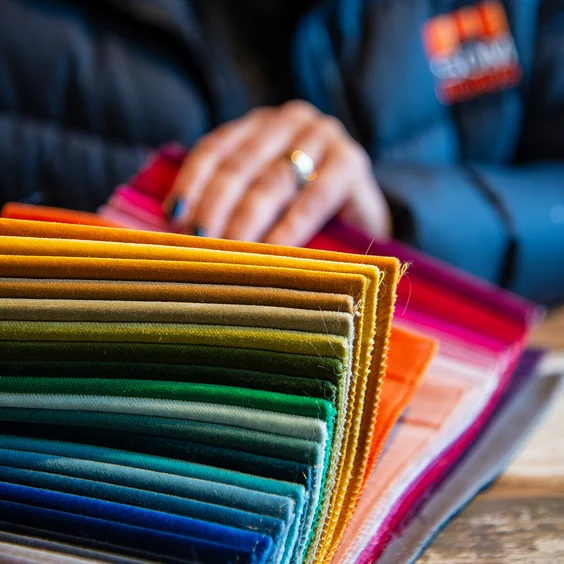
The big bold fabrics we’re seeing at the moment are being used so creatively by designers who aren’t afraid to combine prints, colours, textures, and trims. It feels like we’re seeing a modern twist on the grandly decorated homes of the Victorian and Edwardian eras with lots of warmth, velvets, and colour.

Custom window furnishings are a luxury item and will be in most people’s homes for many seasons to come, so we often advise our clients to look at neutrals, then to add some texture and colour for interest by layering different products to create depth and warmth. At the other end of the colour spectrum, people are leaning towards more natural fabrics in earthy, warm tones and colours that seem to be moving away from very sheer, stark whites and greys.

Suppliers like James Dunlop who continually update their range with new and on-trend colours to suit both conservative customers and those who are looking for something more distinctive make our job much easier.

Fabric specification with SOM Blinds

Fabric specification with SOM Blinds

Do you prefer linen or polyester curtains and blinds?

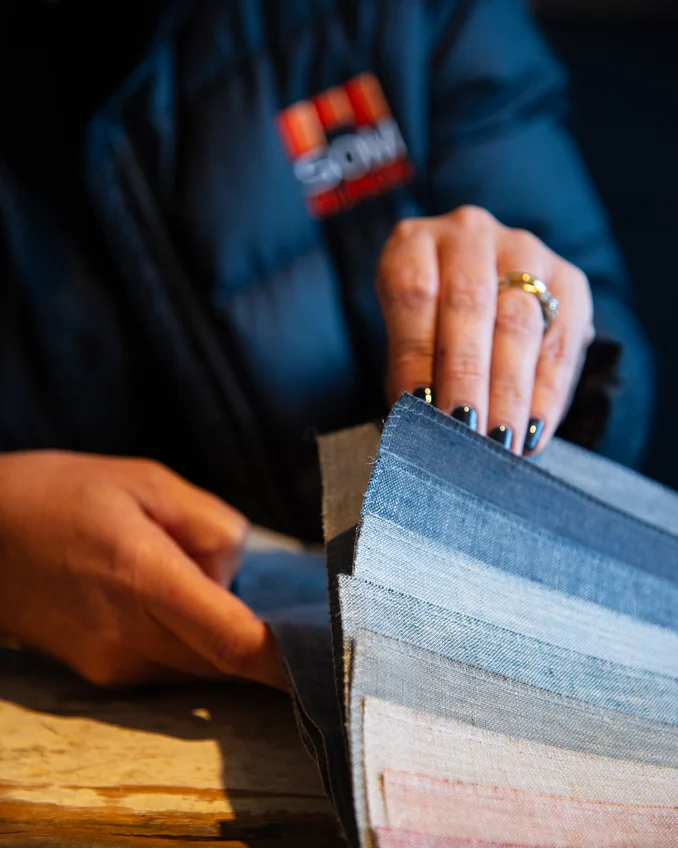
Our clients will often arrive in the showroom only wanting to look at 100% linen – our go-to is James Dunlop’s beautiful Kyoto with its tumbled finish and versatile colour palette. Personally, I love the natural relaxed look of linen, but some people don’t so you need to discuss preferences with clients and offer alternatives when they are choosing their fabrics. A steamer can only do so much – it won’t and shouldn’t remove the naturalness of linen.

As designers, when we talk to our clients about linen vs polyester curtains we need to consider where the fabric will be hung and in what direction it will be facing. We also take other factors into account such as who lives in the home, children, pets, and budget. The weather is an important consideration; we would never suggest 100% linen to a client who wants a very exact hem length because as beautiful as linen is, it will expand and contract depending on the level of humidity.

When working to a budget, it’s great that we can offer fabrics which most people wouldn’t be able to confidently say weren't linen. A 100% polyester fabric can be the best option for clients who need something that will stand up to the rigorous lifestyle of a busy family, and now that polyester fabrics can be made with recycled materials and mostly be recycled at the end of their use, they also make a great option.

Blended fabrics offer the benefits of both yarns and are a great option for our harsh Australian weather conditions. They hang with a soft, natural drape and even feel like linen to touch. One of our favourite James Dunlop fabrics in this category is Cavalier, a beautiful sheer with the look and feel of linen but woven with polyester.

How does sustainability influence SOM Blinds?

From the beginning we have tried to run SOM Blinds with sustainability in mind. Our roller blinds have never been wrapped in plastic; we always use good old fashioned brown paper which we recycle in our workshop after installations. We also recycle the aluminium tube and bottom rail offcuts and the cardboard, plastic, polystyrene, or wooden packaging we receive from suppliers. Until recently our shutters arrived packaged in bubble wrap, so it’s great to see so many of our suppliers moving towards more environmentally friendly packaging options.

We are excited that companies like Traks can recycle fabric offcuts. Unfortunately, not all blind fabrics are able to be recycled yet, but we hope this isn’t too far off. It’s also great to see fabric suppliers like James Dunlop offering products like Kumo, made from post-consumer plastic, which is so encouraging for our industry. We love promoting sustainable fabrics to our architects and designers and we make sure they are aware of what is available when specifying for their projects.

At our factory, the roof is covered in solar panels, we have veggie boxes out the back, and a very healthy compost system thanks to the copious amounts of coffee drunk in our showroom. We keep the local worms happy!

Related

Q&A | DJ Carey

People & Places

DJ Carey, Editorial Director of Cottages & Gardens, shares her favourite expressions of colour from the pages of the magazine, Paris’s Deco Off fair, and within her own home.