

Environmentally conscious innovations in digital printing

Journal
Innovative yarns | Ecofast™ inks
The textiles industry was revolutionised by the introduction of digital printing in the 1980s. Not only cleaner to produce and requiring far less water than traditional printing methods, such as hand-block or silk screen, digital printing also allowed exact replications of designs to be produced in an unlimited spectrum of colours.
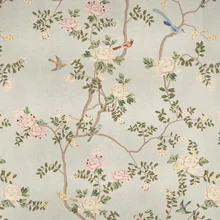
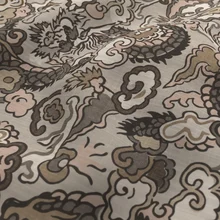
The latest innovation in digital printing is Ecofast™, an environmentally friendly ink used to print James Dunlop’s natural fibre draperies: Komodo Dragon, Toile de Jouy, and Sakura.

Ecofast™ technology
Ecofast™ technology
Ecofast™ is the latest advancement in digital printing technologies; using high-definition Durst Pigment Inks to print ‘multi-colour’ performance fabrics suitable for indoor and outdoor use.
The water and energy consumption of Ecofast™ benefits the environment on a local and global scale. While digital reactive printing uses 30 - 40 litres less water per metre than conventional printing, digital pigment printing uses 70 - 80 litres less water per metre than conventional printing.
As well as being much better for the environment by using far less water and energy than is used with conventional printing, Ecofast™ uses pigment ink. The chemistry behind pigment inks allows beautiful colour to be combined with excellent light fastness results.
Pigment inks are sprayed onto the surface of the cloth and effectively baked on. This creates a mechanical barrier as opposed to reactive inks, which are soaked into the cloth but fade much more quickly when exposed to UV rays.
Light fastness
Light fastness
James Dunlop’s Toile de Jouy and Sakura draperies are digitally printed with Ecofast™ pigment inks onto a soft, pure linen base cloth while Komodo Dragon is printed onto a cotton blend base cloth.
Using pigment ink allows vibrant colours to be used confidently, which is an incredible advantage given the extreme and unavoidable levels of damaging UV in Australasia. These designs achieve exceptional results of 6 - 7 out of 8 during blue scale testing for lightfastness.


With an affinity for outdoor entertaining and a deep connection between our homes and the landscapes they inhabit, James Dunlop’s Alfresco Collection captures the spirit of the Antipodean lifestyle. Blurring definitions of interior and exterior, these textiles create outdoor spaces which feel lik...
