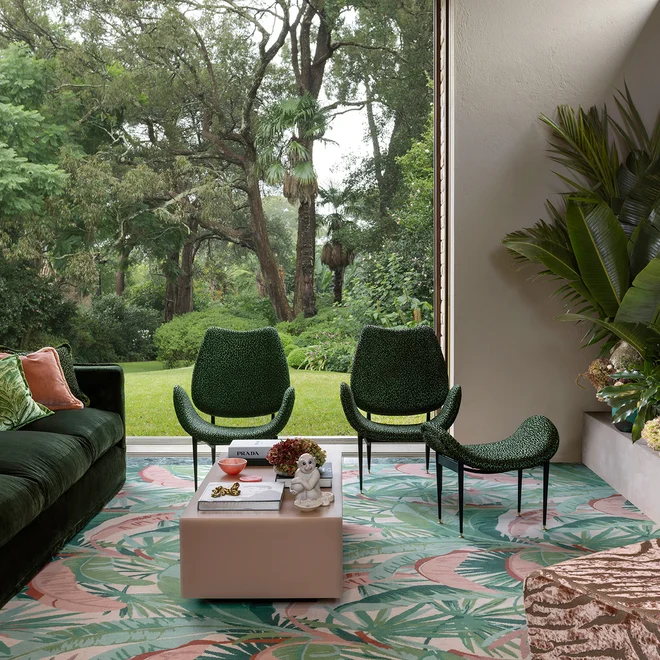
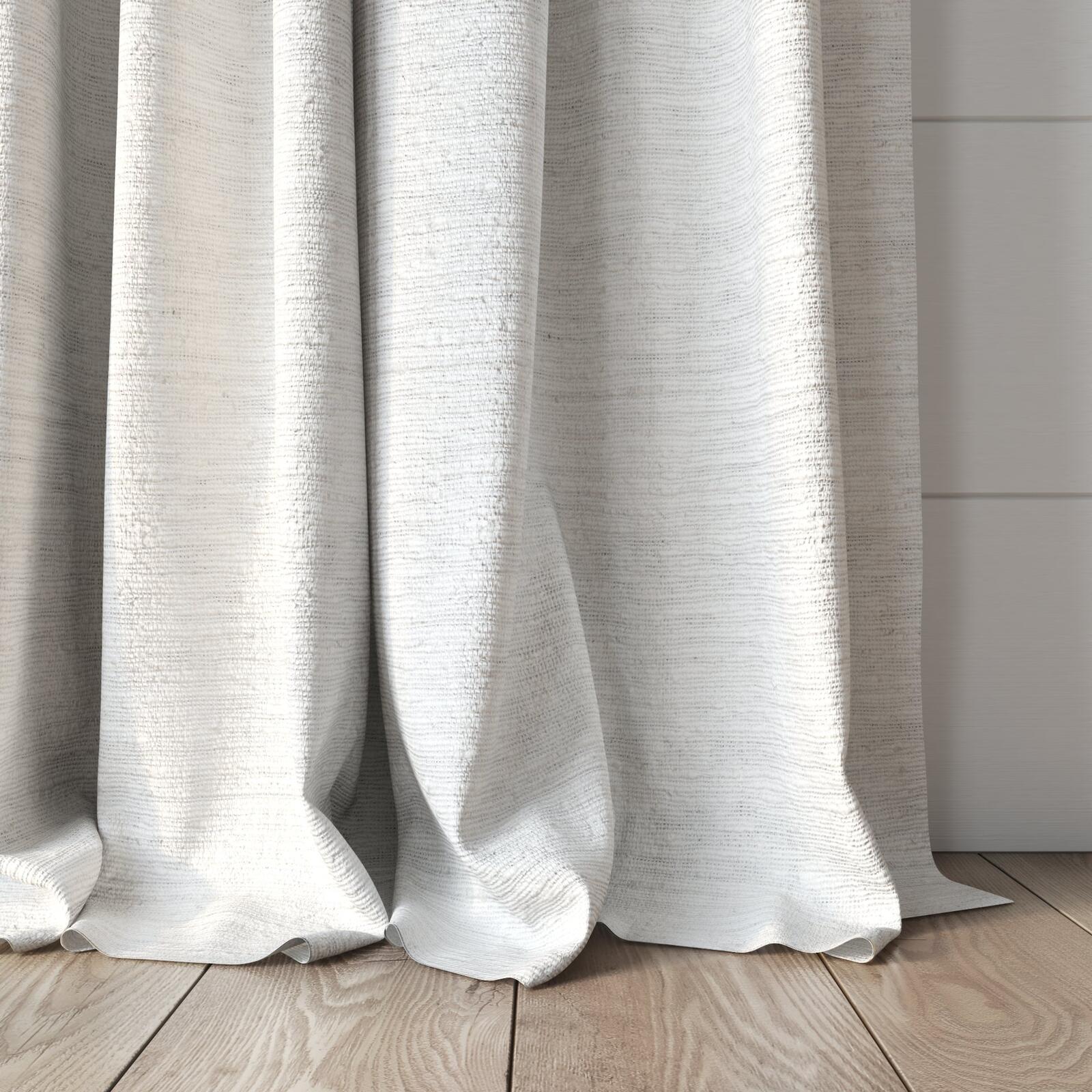
Tennessee TussahCatherine Martin by Mokum

Like this fabric?
View it using our 3D Tools.
Tennessee Tussah
by Catherine Martin by Mokum


Tennessee TussahCatherine Martin by Mokum


Tennessee TussahCatherine Martin by Mokum


Tennessee TussahCatherine Martin by Mokum


Tennessee TussahCatherine Martin by Mokum


Tennessee TussahCatherine Martin by Mokum


Tennessee TussahCatherine Martin by Mokum


Tennessee TussahCatherine Martin by Mokum


Tennessee TussahCatherine Martin by Mokum


Tennessee TussahCatherine Martin by Mokum


Pearl

Named after Elvis’s home state, Tennessee Tussah references the raw silk and handloomed textiles of the 1970s, a period which embraced hand crafted design. Tennessee Tussah is an artisanal textile with custom piled viscose yarns handwoven in India. It will be loved by those who appreciate the beauty of its inherent imperfection.


Specifications
ProductTennessee Tussah
BrandCatherine Martin by Mokum
ColorPearl
CollectionThe Royal Menagerie - View
Code
109199
i
This product code has been recently updated. The previous codes are still searchable, download for details.
Composition100% Viscose (Rayon)
Pattern RepeatNil Repeat
Width53.9"
Weight45.2oz/yd
OriginIndia
Care
Do not bleach
Do not iron
Do not tumble dry
Do not wash
Drycleaning Gentle cycle
Test Results
Lightfastness i Lightfastness is a property of a colourant such as dye or pigment that describes how resistant to fading it is when exposed to light.
UV 4-5/8 Blue Scale
Please note: these products have been tested to the relevant standards. Please review the test results prior to specification.
Environmental Certifications
Please note: these products have been certified to the above relevant environmental textile certifications. Please review the test results prior to specification.
Notes
Extremely delicate handle with care
Protect with lining
Irregular slubs are inherent
Puddling drape recommended
Usage


Related or Similar Fabrics




Colour and pattern are central to Indian culture and while this is visible in many expressions of design, it is particularly prominent in textile production. The invaluable combination of centuries of artisan knowledge and a continued investment in new technologies enables textile mills across India to create digital prints, jacquard weaves, and automated embroideries. The pairing of intricate handwork and creativity with pattern and colour is further enhanced by the ability to present the market with textiles which retain their cultural handwriting en masse.

Colour and pattern are central to Indian culture and while this is visible in many expressions of design, it is particularly prominent in textile production. The invaluable combination of centuries of artisan knowledge and a continued investment in new technologies enables textile mills across India to create digital prints, jacquard weaves, and automated embroideries. The pairing of intricate handwork and creativity with pattern and colour is further enhanced by the ability to present the market with textiles which retain their cultural handwriting en masse.
The Royal Menagerie
Collection