
Digital printing and computer aided design

Journal
Designing textiles with digital technologies
Patterned textiles and wallcoverings are at the heart of our James Dunlop and Mokum collections. Whether they are hand painted originals or reimagined archival artworks, they are almost always digitally printed.
Enabling designers to incorporate an unlimited number of colours into expansive pattern repeats, computer aided design (CAD) and digital printing have revolutionised textile design.
Inkjet origins
Inkjet origins
Traditional printmaking methods like block printing date back to China in the 4th century BC, and although we think of digital technology as a product of our modern era, the seed was planted much earlier.
An inkjet printer deposits minute droplets of ink onto paper to create an image. Utilised in textile printing since the mid-20th century, the reaction behind this technology was first noted by French physicist Edme Mariotte who mentioned the formation of droplets caused by passing liquid through a nozzle in his 1686 study of the movement of fluids.
In 1748 Ebenezer Kinnersley showed that electrical currents could pass through water and in 1749 Abbé Nollet studied the effects of static electricity on droplets from a capillary tube.
In 1867 the first patent for an inkjet printing system was issued to Lord Kelvin for a ‘siphon recorder.’ A device capable of recording morse code passing through undersea cables with mechanical pens and the ‘continuous ink’ fundamental to inkjet printing.
Computer Aided Design
Computer Aided Design
Computer Aided Design (CAD) technology launched in 1970 and by 1976 was being used to create patterned textiles. Initially suited to manufacturers rather than designers, CAD is now central to our Mokum and James Dunlop studios who use it in tandem with hand illustration throughout the design process.
When creating our famed La Palma, the Mokum studio researched tropical motifs from which Catherine Martin’s design team created a CAD artwork. Mokum then translated the design into a half drop repeat to be hand painted by a talented textile artist and scanned at high resolution. Once scanned, our studios digitally manipulated the composition to create a multilayered file from which to colour the design in multiple variations.
By hand painting the design before scanning, the unique sense of movement, dimension, and softness within the details is captured in the final textile. These details make our bold design liveable and enduringly popular.
Learn more about the development of our beloved La Palma print.

Design development of La Palma by Catherine Martin by Mokum
Limitless creativity
Limitless creativity
Advancements in digital printing have freed designers from limitations of colour, scale, or repeat. Now designers can take inspiration from traditional weaves to produce textiles in modern substrates and an unlimited spectrum of shades.
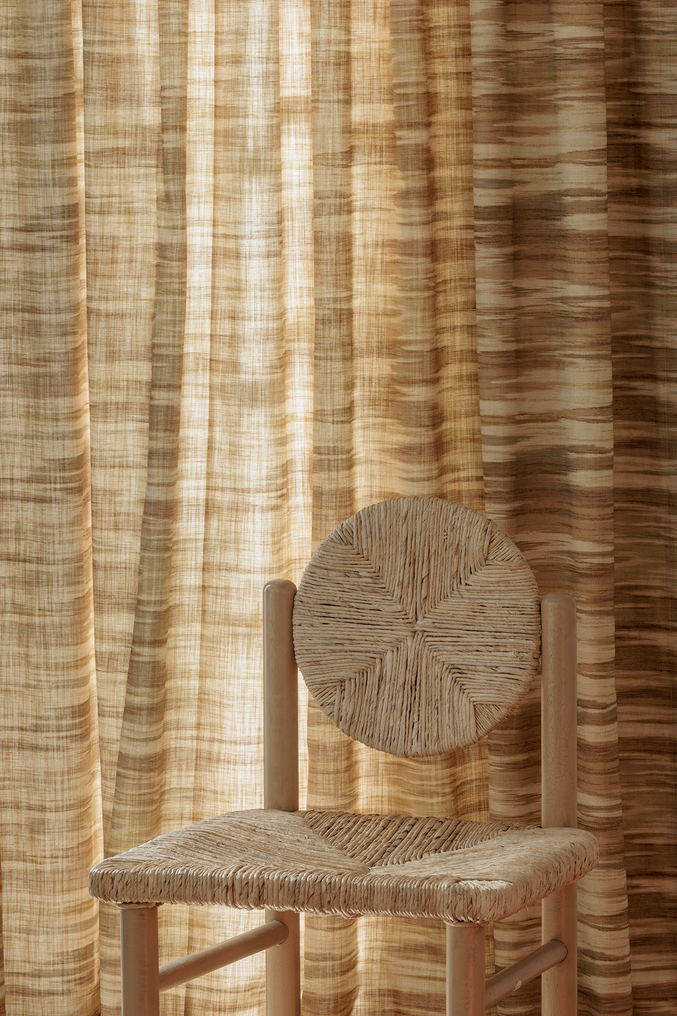
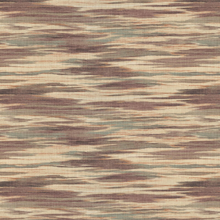
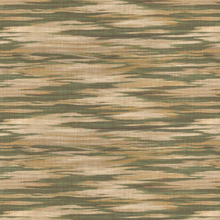
In Luire by Mokum, handpainted strokes reminiscent of light glistening over water organically intersperse colour to present a modern interpretation of ikat dyes.
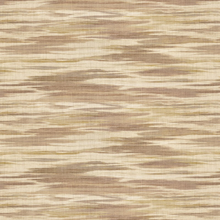
As a heritage brand, archival textile designs play a considered role in the James Dunlop aesthetic. Found at design fairs like Proposte or within an archivist’s trove, these artworks are reimagined in contemporary colour combinations, at an alternative scale, or manipulated to include additional elements.
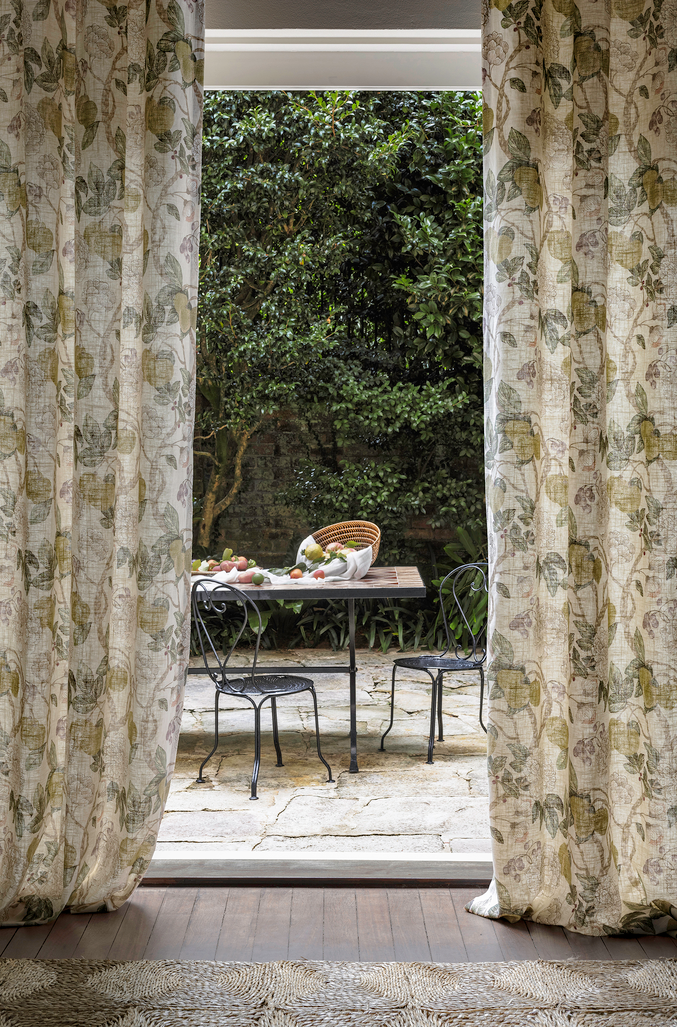
One such design is Valencia by James Dunlop. Inspired by Spanish orchards, it features fruit-laden branches and spring blooms unfolding in a balanced composition.
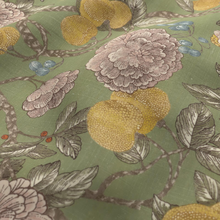


Where drapery prints like Mokum’s Magnolia or Colour Field are expansive and over-scaled, Grande Terre is an expressively layered, abstract design.
“As designers become more adventurous with pattern and colour, we have also become more experimental with multipurpose designs,” explains textile designer Leisa Wake. “Digital printing technology has been the catalyst for this and is now the preferred method across our European supply chain as there are fewer limitations than with traditional printing, which is really exciting as a designer.”


Enhanced sustainability
Enhanced sustainability
Digitally printed textiles are cleaner to produce and require far less water than traditional hand-block or silk screen designs. But whilst digital reactive printing uses 30-40 litres less water per metre than conventional printing, digital pigment printing uses 70-80 litres less water per metre than conventional printing.
In this development, pigment inks are sprayed onto the surface of the cloth and effectively baked on to create a mechanical barrier. In contrast, reactive inks are soaked into the cloth but fade much more quickly when exposed to UV rays.
Designs including Mokum’s ikat-inspired Luire and James Dunlop’s Komodo Dragon are printed with Ecofast™ pigment inks onto a linen-blend ground, combining detailed design with exceptional light fastness.
Read more about Ecofast™ in our previous article.
Velvet is classified by the unique loom on which it is woven, but the pile can be crafted from almost any fibre. Known for being soft and lustrous, velvet is a surprisingly robust textile with a beautiful surface patina which develops over time and use. Rather than standing up straight, the pile ...
